Watching the Typhoon
Went to see the typhoon
The promise was made almost out of defiance, after hearing He[^1] talk about hurricane-watching activities in America
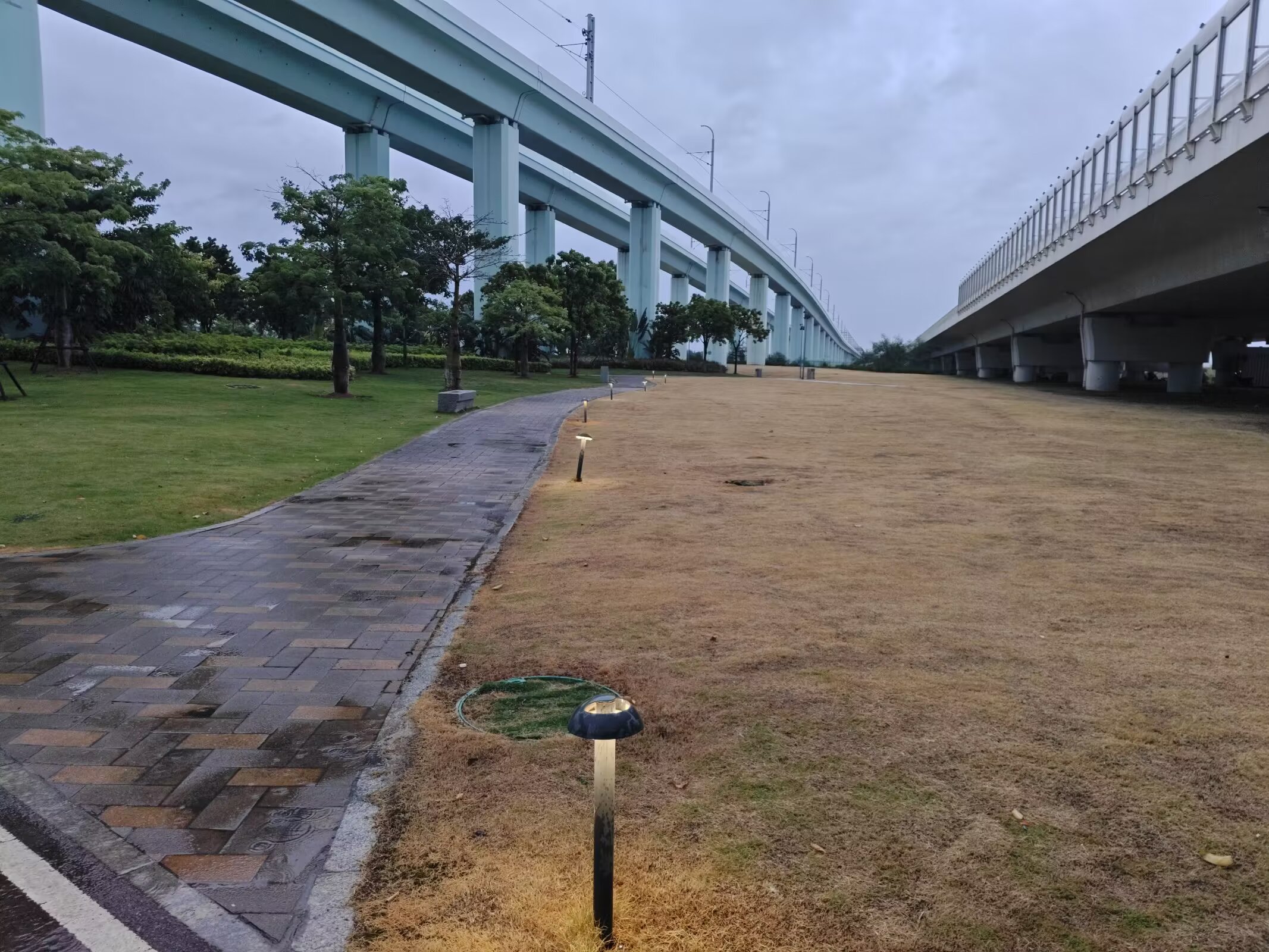
During a previous group outing, we ran all the way to a flower field near the Jimei Bridge[^2], and decided this place that reminds one of Sea and Bouquet[^3] would be the spot
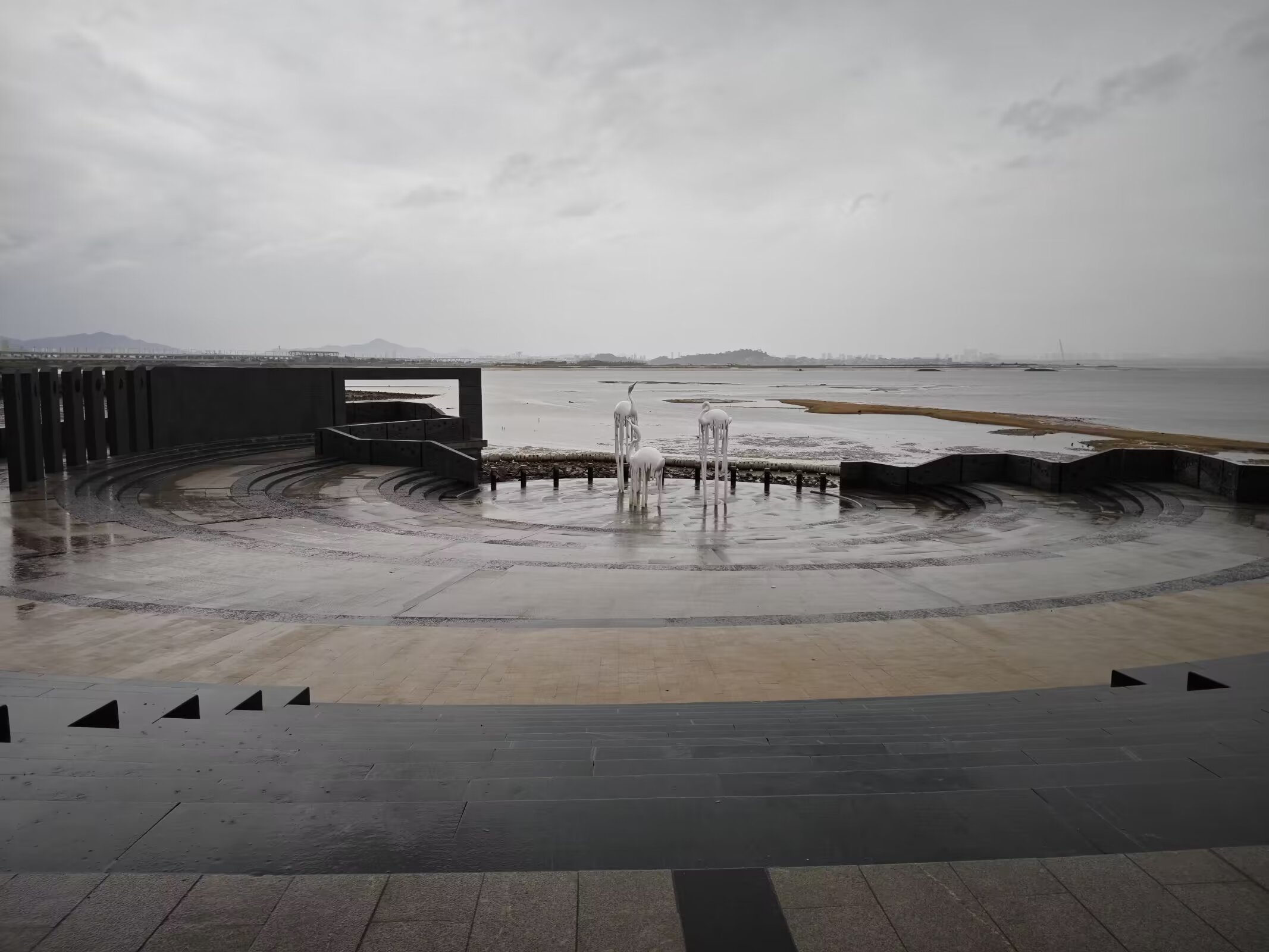
In truth, I didn’t experience the typhoon’s full might, just an ordinary rainstorm
My state of mind had shifted too. Life is a vast sea[^4]; regret for the past leaves only silence. Can the emotions with nowhere to go truly recede with the tide?
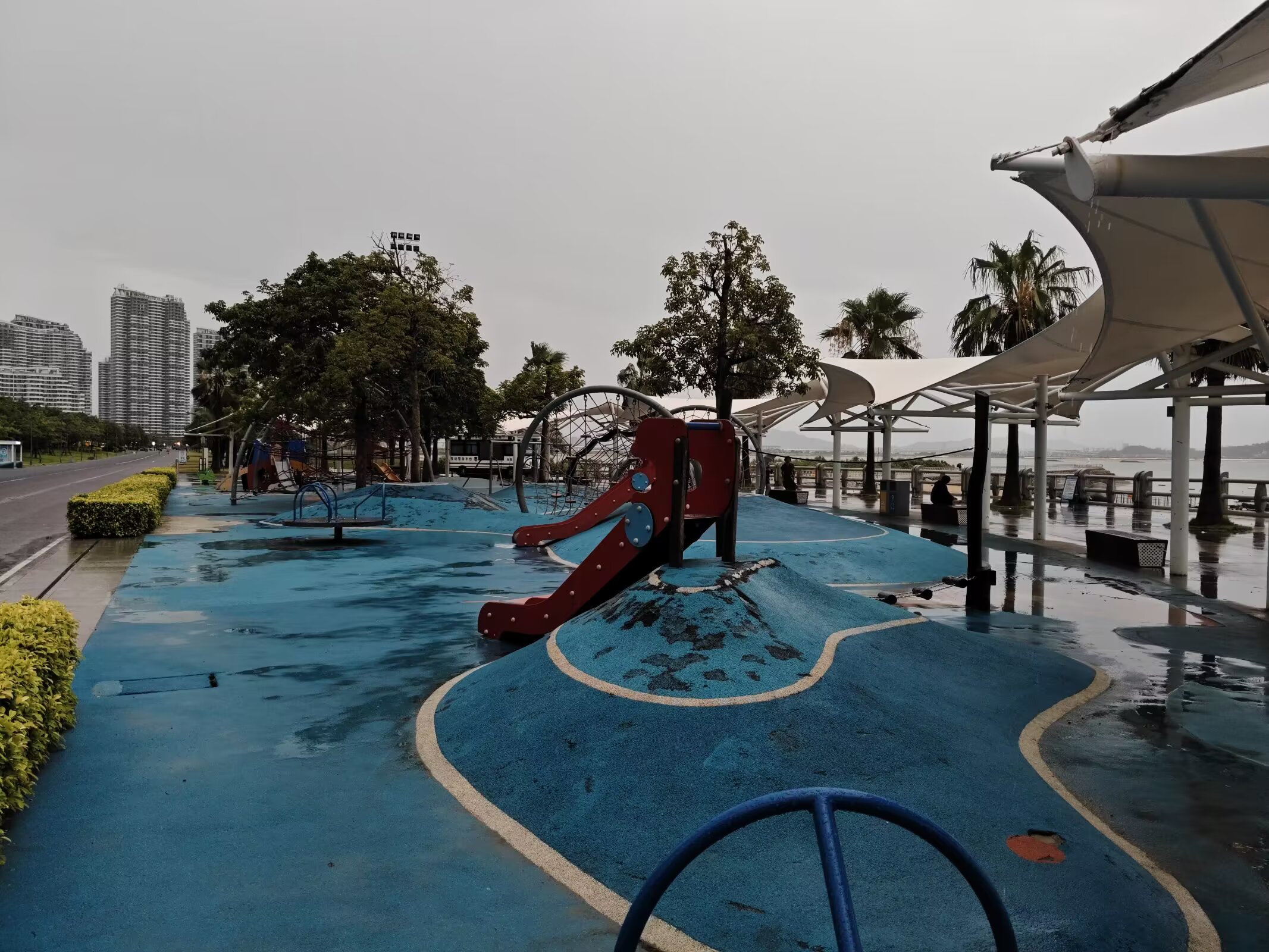
Walking back to school from Fenglin along the coastline, six years of the commute route, I’m familiar with nearly every building. But I probably won’t come back again, and I won’t be able to walk into the school anymore either
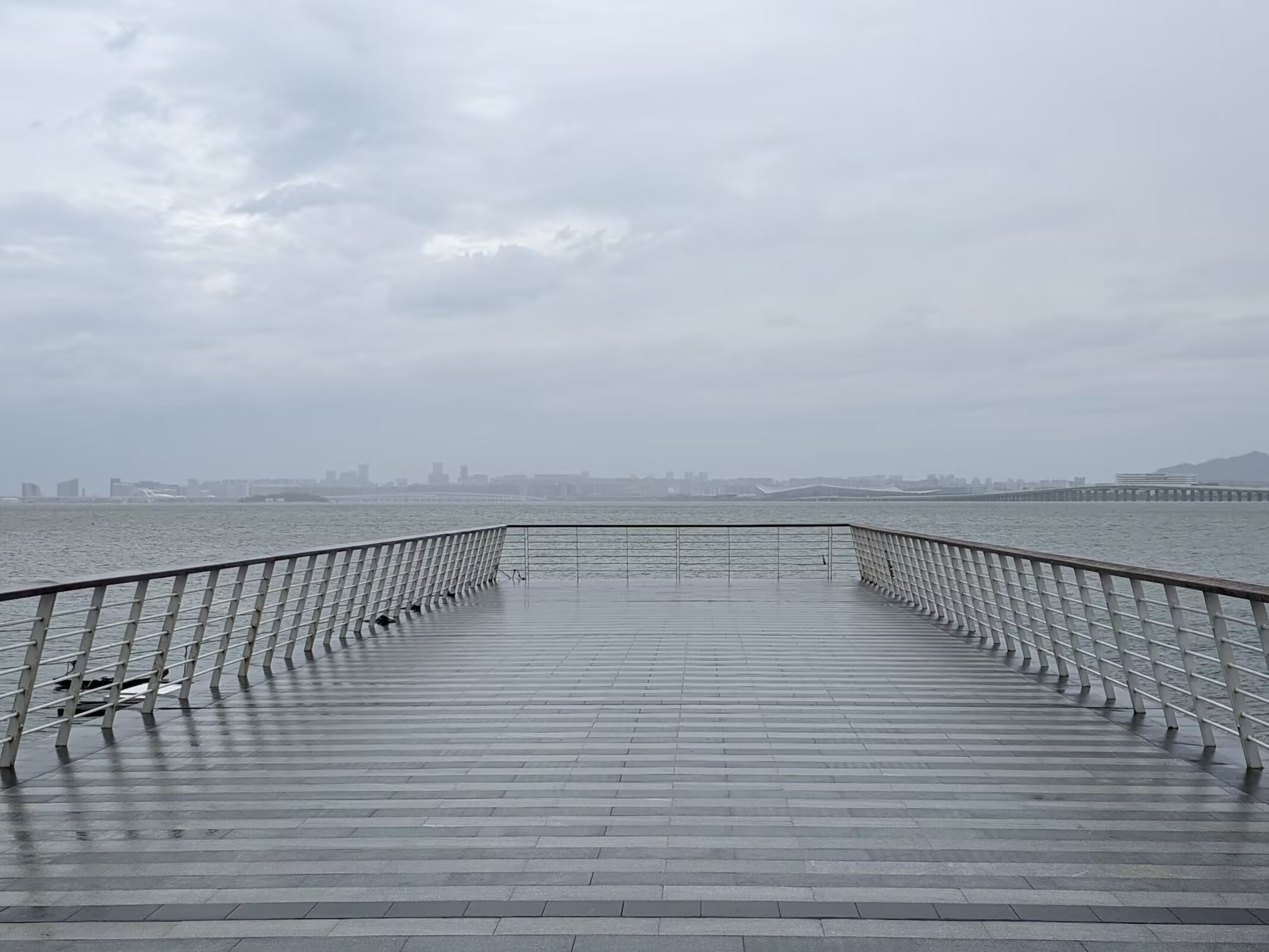
This time we started from where we left off last time, near an observation deck, the one you have to specially climb over a railing to get into
Two months later, I return here. Strong winds blowing, standing on the side where the dust has settled, gazing out at the gray distance
小舟从此逝,江海寄余生[^5]
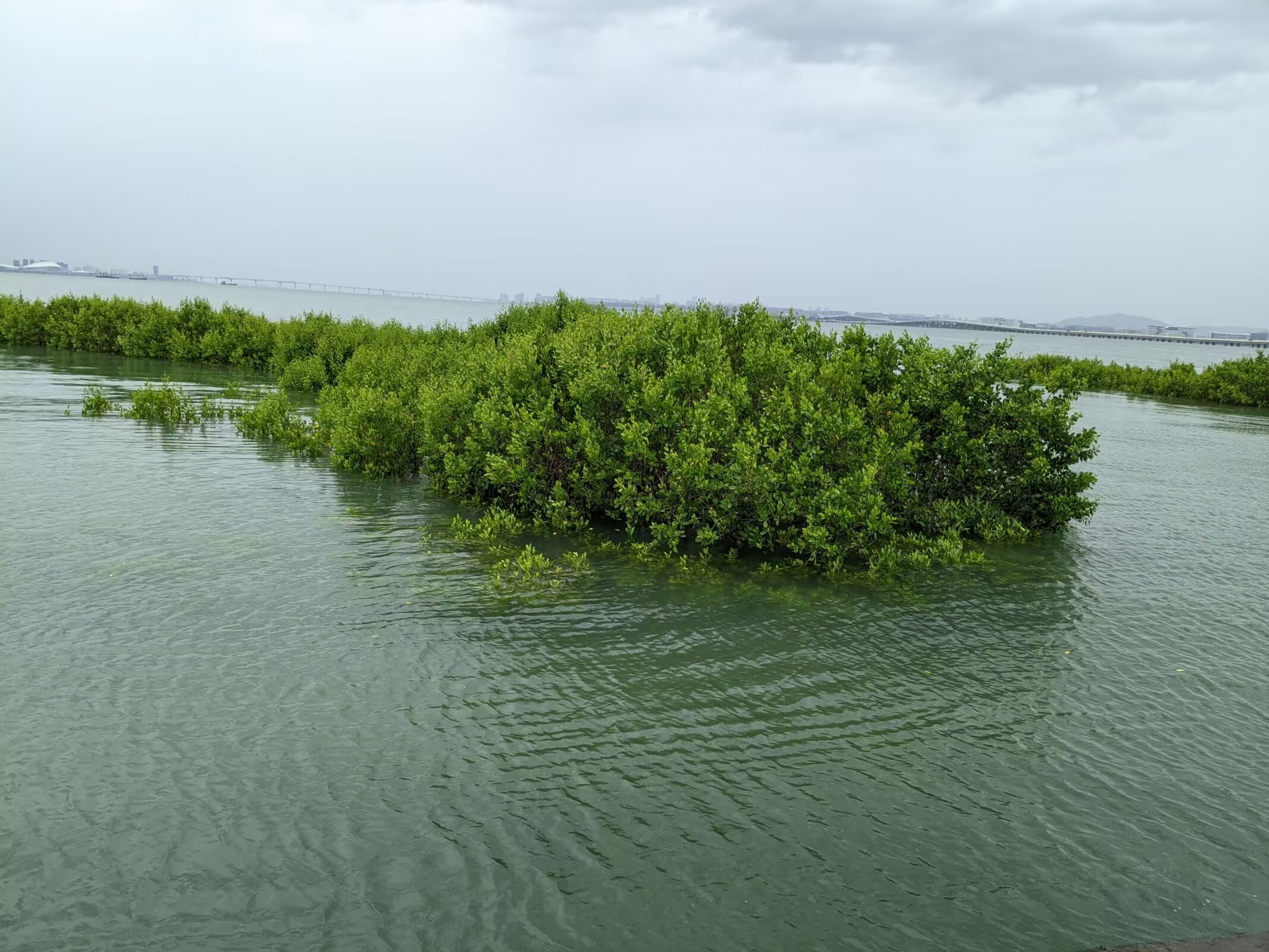
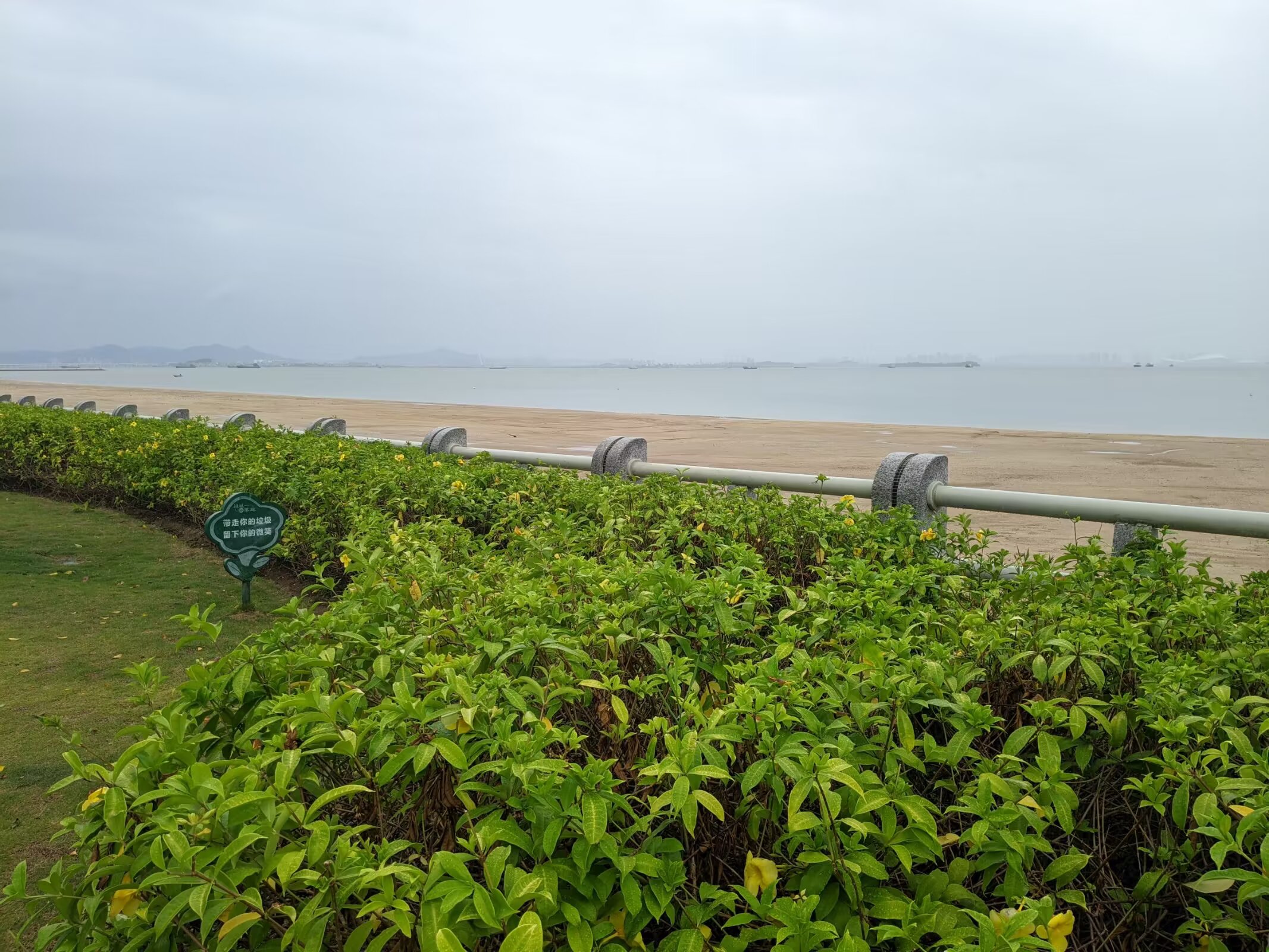
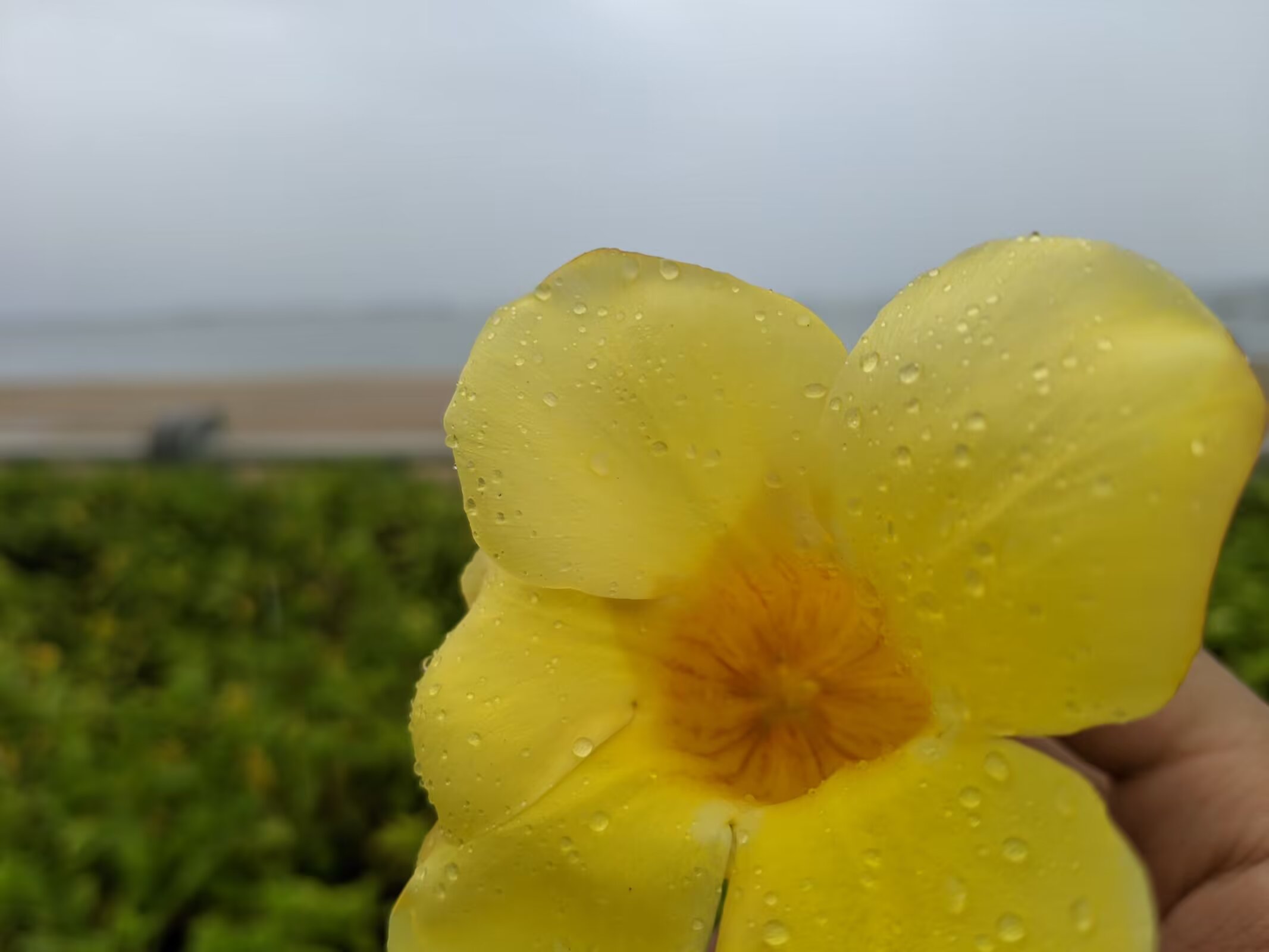
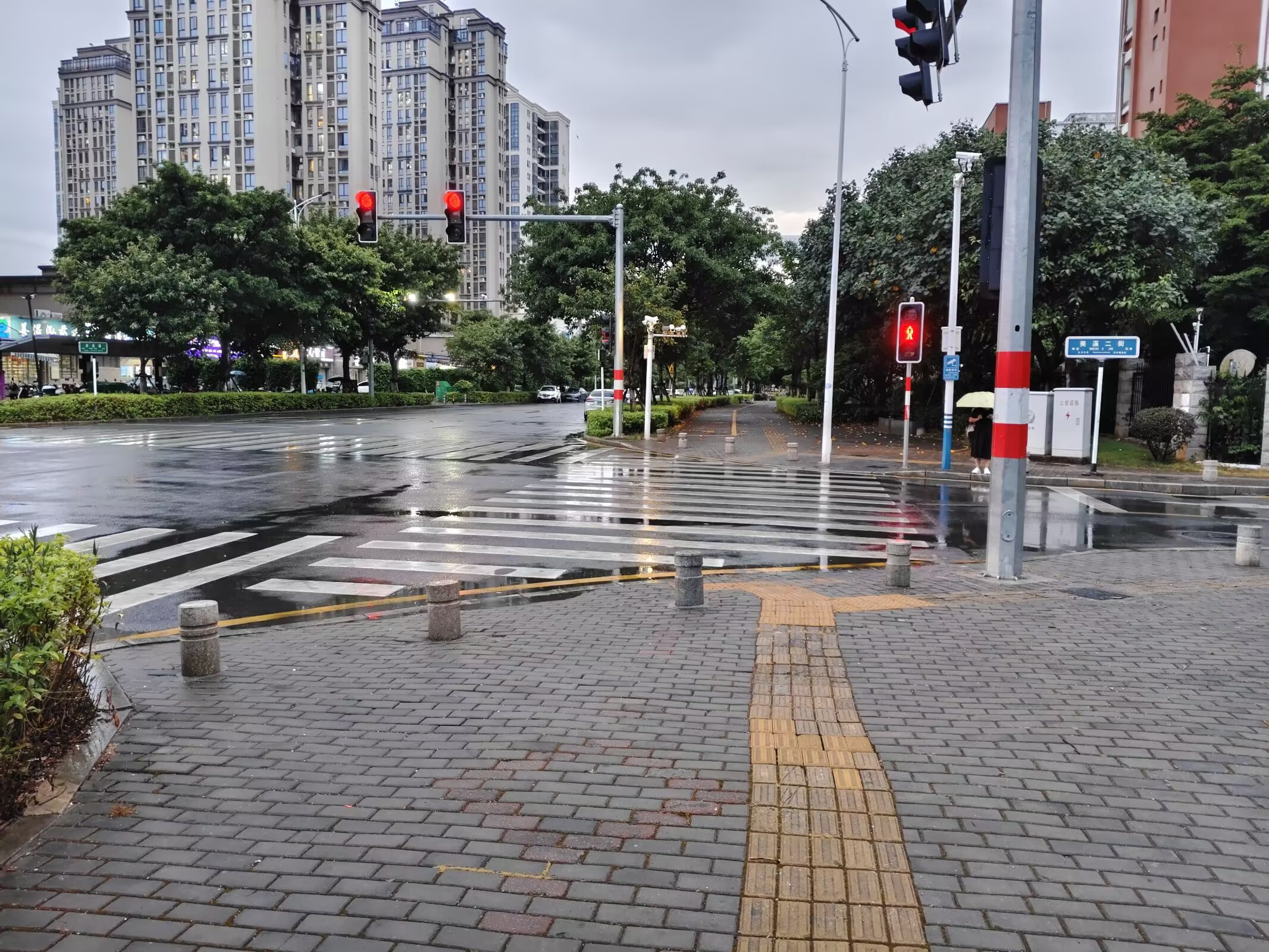
(The person appearing in the following videos is my friend, not me.)
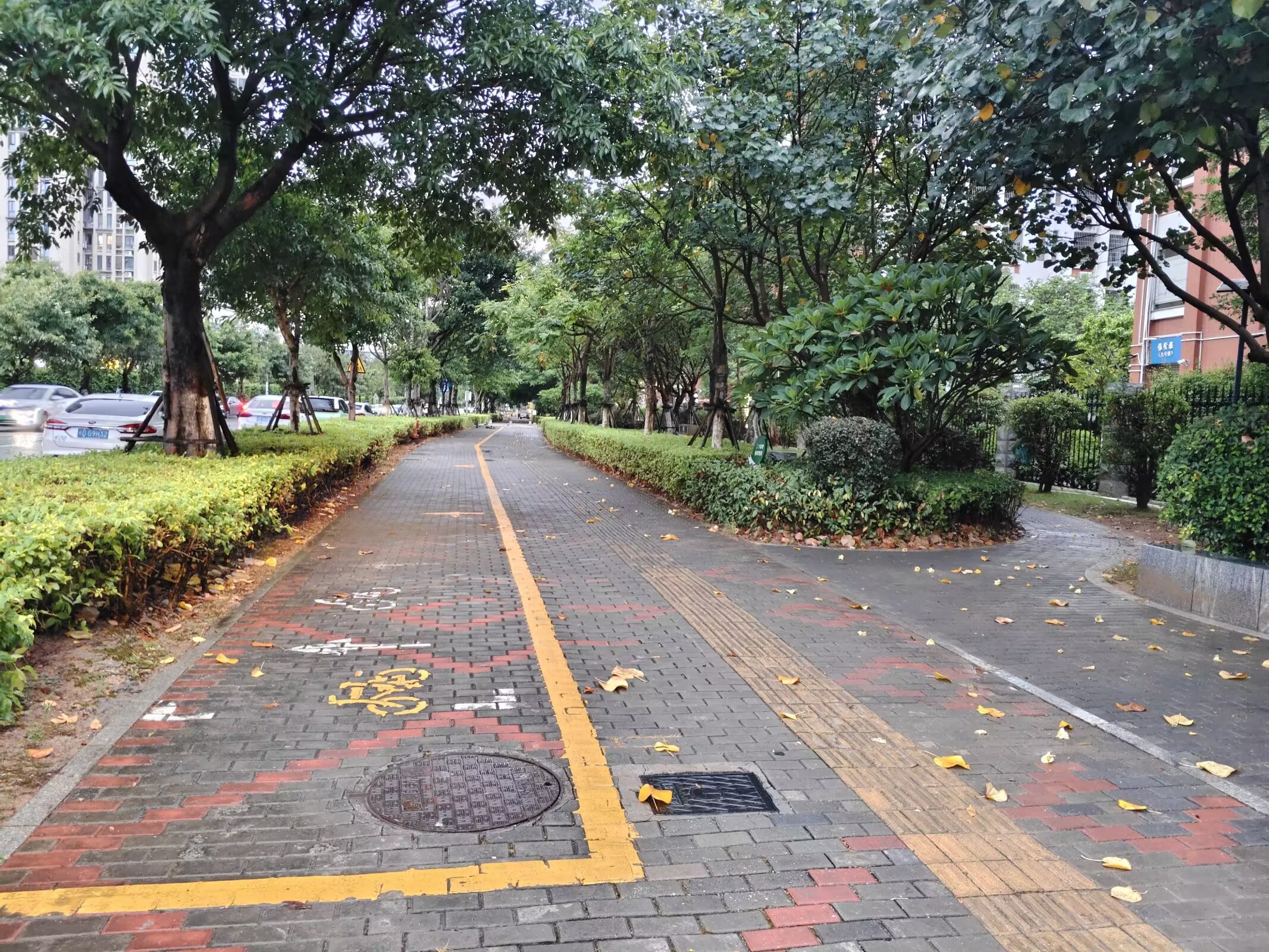
Footnotes
[^1]: He, a friend of the author
[^2]: Jimei Bridge, a cross-sea bridge in Xiamen
[^3]: 海と花束 (Umi to Hanataba, “Sea and Bouquet”), a Japanese song by キノコテイコク (Kinoko Teikoku)
[^4]: “Life is a vast sea”, a Minnan (Southern Fujian) dialect expression meaning “life is like the vast and undulating sea”
[^5]: “小舟从此逝,江海寄余生” (A small boat departs from here onward; I entrust the rest of my life to the river and sea) — a celebrated line from the Song dynasty poet Su Shi’s Lin Jiang Xian (临江仙). The full sentiment conveys a yearning to leave the worldly life behind and drift freely upon the waters.